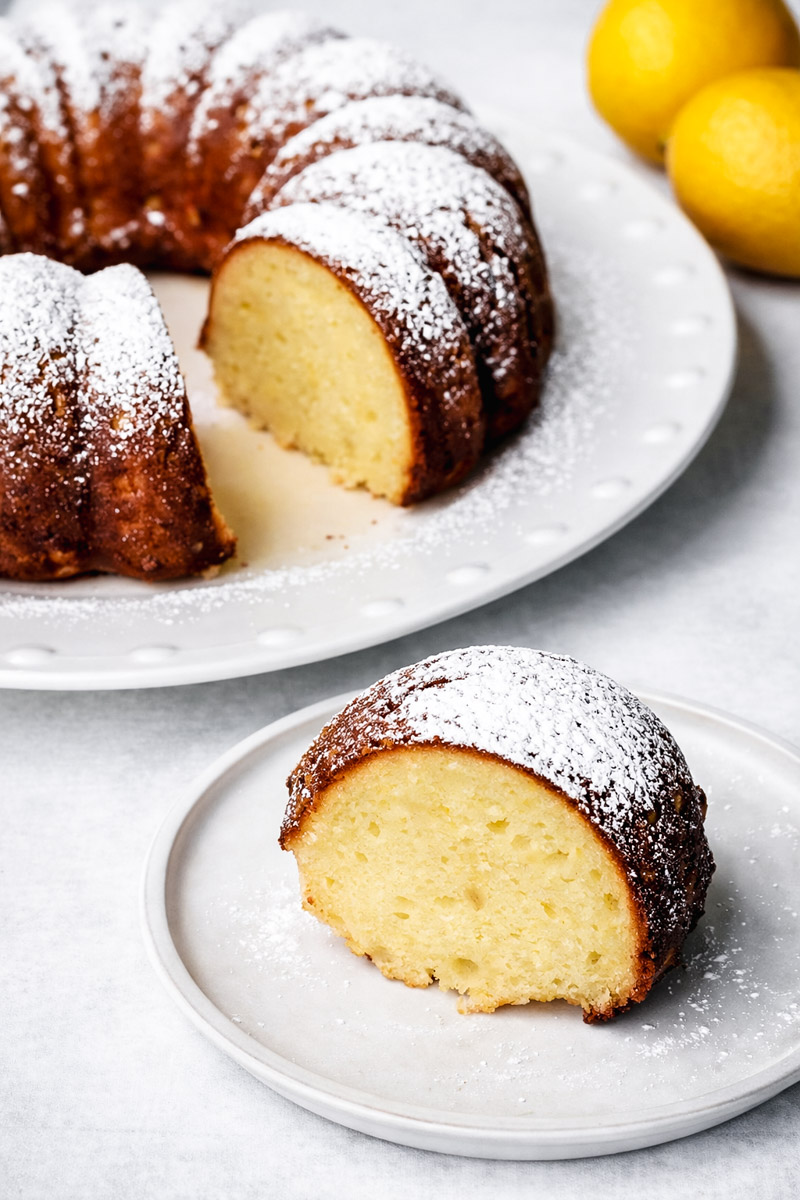
Lemon Ricotta Cake: The Whipping Secret to a Light, Not Dense, Texture
The allure of a perfect lemon ricotta cake is undeniable. Imagine a slice that is incredibly moist, bursting with vibrant citrus flavor, and possesses a delicate, tender crumb that practically melts in your mouth. For many home bakers, however, the journey to this ideal can be fraught with disappointment, often resulting in a ricotta cake that, while flavorful, leans towards a heavy, dense texture rather than the airy lightness desired. But what if we told you there’s a simple, game-changing technique – a whipping secret – that transforms this Italian classic from merely good to absolutely sublime? This article delves into the heart of what makes an extraordinary lemon ricotta cake, revealing the key to achieving that coveted light, fluffy, and tender texture. We’ll explore not just *what* to do, but *why* this particular method works, ensuring your next baking endeavor yields a truly incomparable dessert that’s perfect for any occasion, from an elegant brunch to a comforting after-school snack.The Secret to a Seriously Light Lemon Ricotta Cake: The Whipping Method Explained
Many traditional ricotta cake recipes, while delivering on flavor and moisture, can sometimes result in a surprisingly compact, almost pudding-like texture. This isn't inherently bad, but it often misses the mark for those craving a cake that feels airy and delicate. The core challenge lies in the nature of ricotta cheese itself: it's rich, creamy, and contains a good amount of moisture, which can weigh down a batter if not handled correctly. The pivotal revelation for achieving a light and fluffy lemon ricotta cake lies in a specific, often overlooked step: whipping the ricotta together with the butter and sugar until the mixture is truly light and aerated. This isn't just about combining ingredients; it's about introducing air into the very foundation of your cake batter. Think of it as an elevated creaming method. While creaming butter and sugar together is standard practice to create air pockets, adding the ricotta at this stage multiplies the effect. As you whip, tiny air bubbles are incorporated and trapped within the fat (butter) and sugar crystals. The ricotta, with its unique protein and moisture structure, becomes part of this aeration process, rather than simply adding weight. This creates a voluminous, pale, and fluffy base that will expand beautifully in the oven, leading to an open, tender crumb instead of a dense, heavy one. Without this crucial whipping, the ricotta might simply blend into the batter, contributing its richness but not its potential for lift. It’s this meticulous aeration upfront that makes all the difference, setting the stage for a cake that is moist and rich from the ricotta, yet delightfully delicate in texture.Crafting Your Perfect Cake: Step-by-Step with the Whipping Technique
Achieving that dream texture requires a precise approach. Here's how to integrate the whipping secret and other critical elements into your lemon ricotta cake recipe for optimal results:- Start with Room Temperature Ingredients: This is non-negotiable for any successful baking, but especially when whipping. Softened butter creams more effectively, and room temperature ricotta and eggs emulsify better into the mixture, preventing curdling and ensuring a smooth, uniform batter.
- The Whipping Power Trio: Butter, Sugar, and Ricotta:
- Begin by creaming softened butter with granulated sugar until very light and fluffy. This could take 3-5 minutes with an electric mixer.
- Next, add the whole milk ricotta cheese. It's crucial to use whole milk ricotta for its superior richness and moisture content, which contributes significantly to the cake's tender crumb. Whip this mixture vigorously on medium-high speed for another 3-5 minutes. You're looking for a noticeable change in volume and lightness, with the mixture becoming visibly pale and airy. This is your "whipping secret" moment!
- Infuse with Lemon Zest: For maximum lemon flavor, zest your fresh lemons directly into the granulated sugar and then "massage" it with your fingers before adding it to the butter. This releases the aromatic oils from the zest into the sugar, intensifying the lemon essence throughout the cake. Fresh lemon juice will come later, balancing the sweetness with a tangy bright finish.
- Incorporate Eggs Gradually: Add eggs one at a time, beating well after each addition until fully incorporated. This helps maintain the emulsification and adds structure to your aerated base.
- Alternate Dry and Wet Ingredients: Sift your dry ingredients (flour, baking powder, salt) to ensure an even distribution. Alternate adding the dry ingredients with liquid (like fresh lemon juice or a touch of milk if your recipe calls for it) to the wet batter, starting and ending with the dry. This technique helps prevent overmixing the flour, which can lead to a tough cake.
- Do Not Overmix: Once the dry ingredients are added, mix only until just combined. Overmixing develops gluten, which is the enemy of a tender cake. A few lumps are perfectly acceptable.
- Choose the Right Pan: A 9-inch springform pan is ideal for this thick, rich cake, allowing for even baking and easy release. Prepare it well by greasing and flouring, or lining the bottom with parchment paper.
By following these steps, especially the detailed whipping of the butter, sugar, and ricotta, you're not just baking a cake; you're engineering a culinary masterpiece that embodies lightness and flavor.
